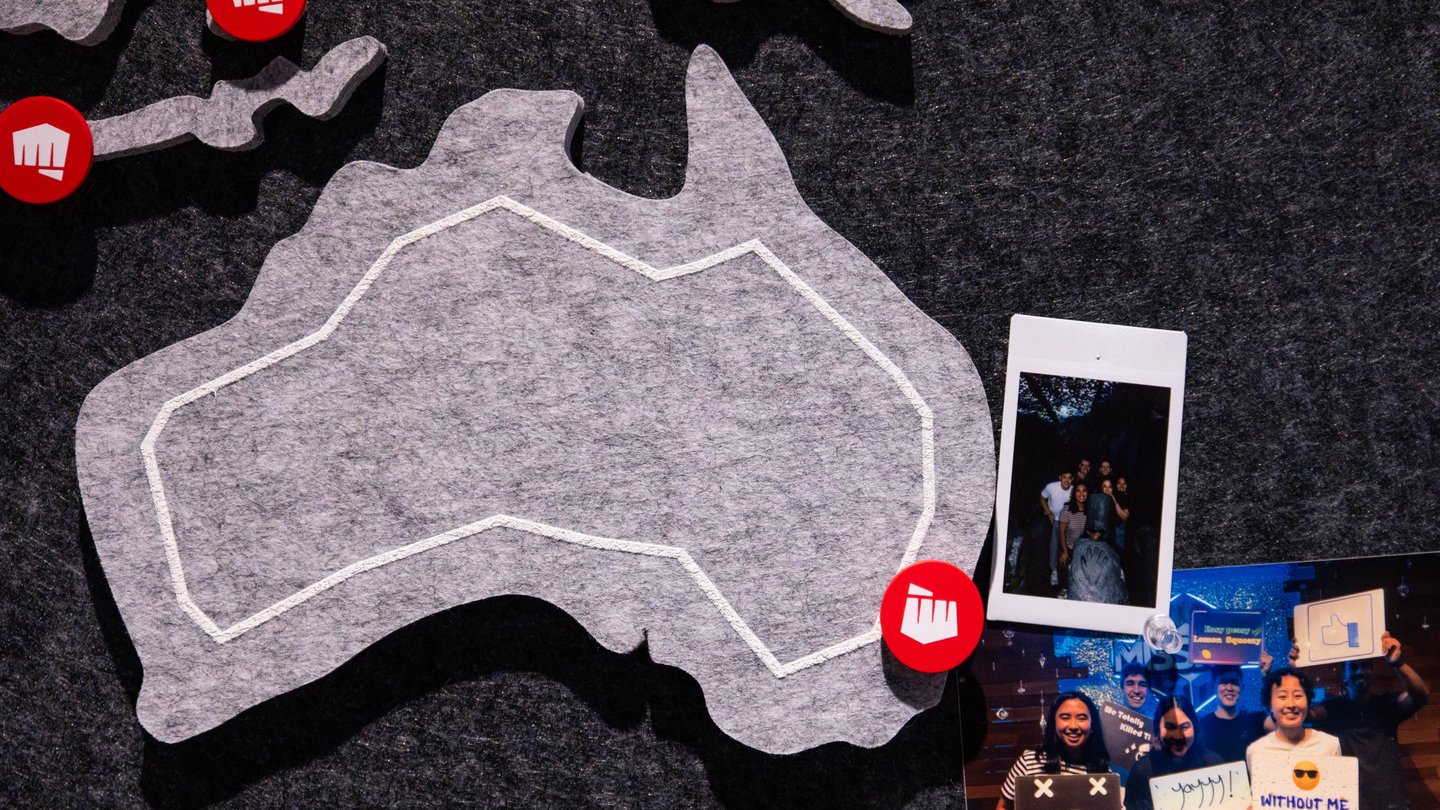
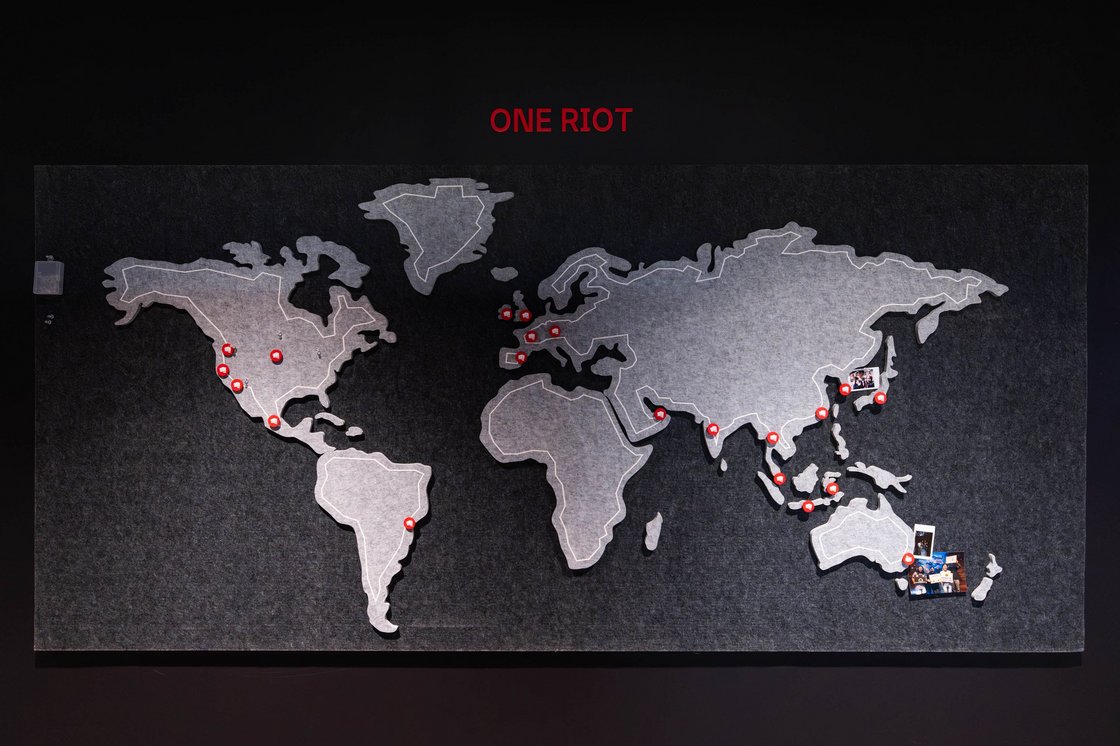
Each of our offices around the world brings something unique. A local perspective, a regional esports hub, a community of specialized devs, every city is different. Almost all of them were built from the ground up as Riot offices—but not Sydney. Sydney’s special. We acquired our dev studio in Sydney back in 2022 to bring a group of extremely talented devs onto our slate of games.
Formerly Wargaming Sydney, the studio has a long history in the Australian gaming industry. So, when we were looking for more devs to supercharge our next generation of games, we turned to them. Over the last four years, Sydney has become a crucial part of our development process across VALORANT, League, TFT, R&D, and more.
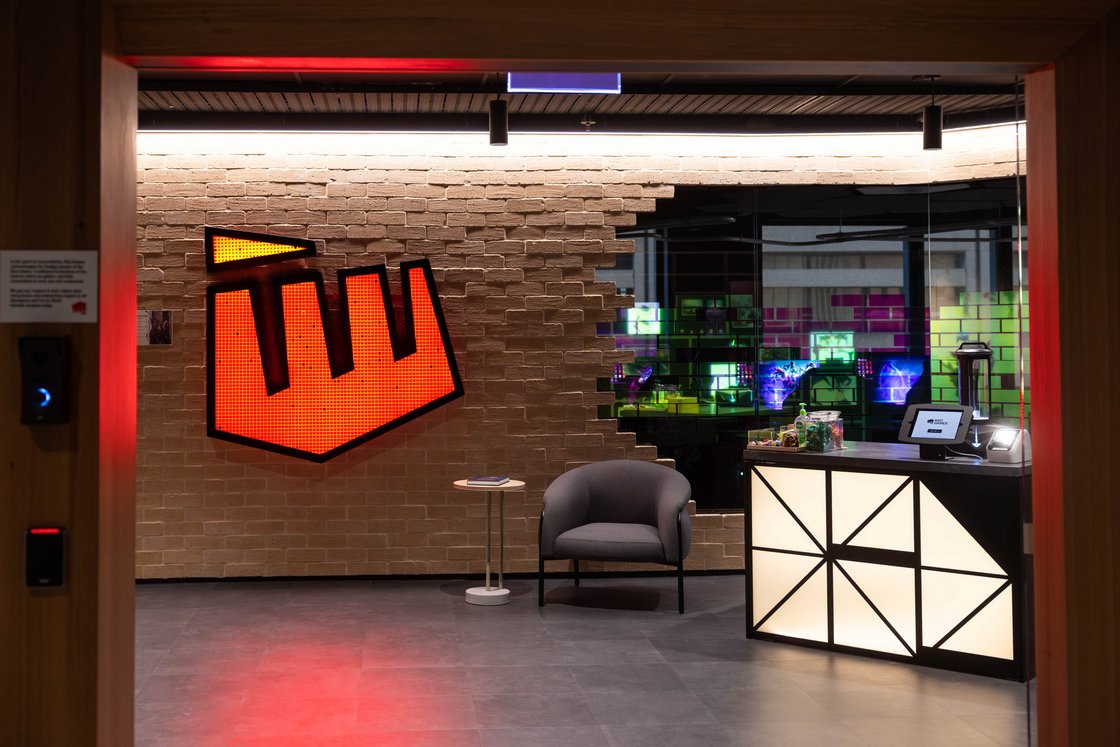
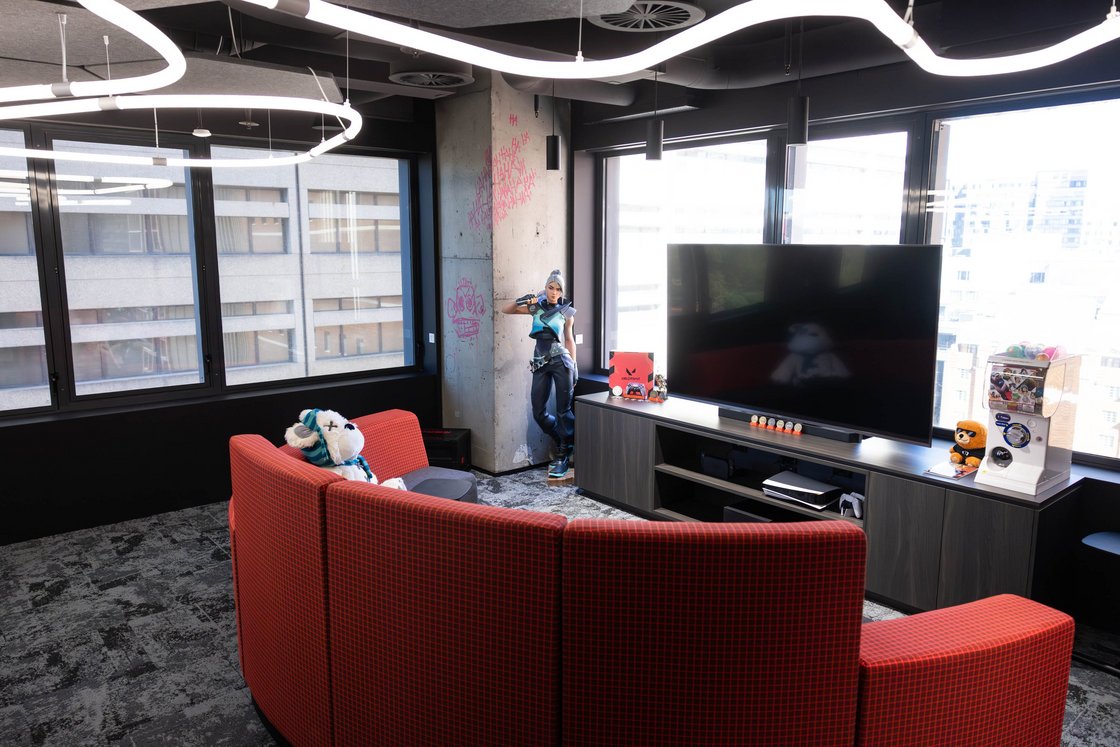
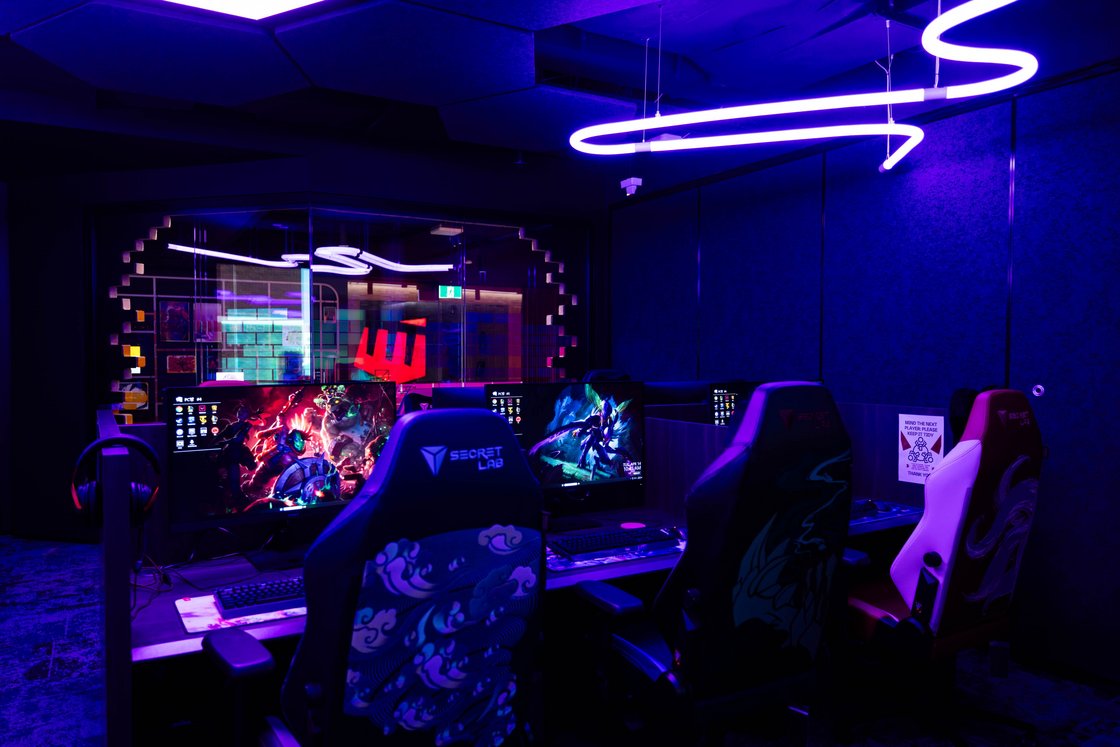
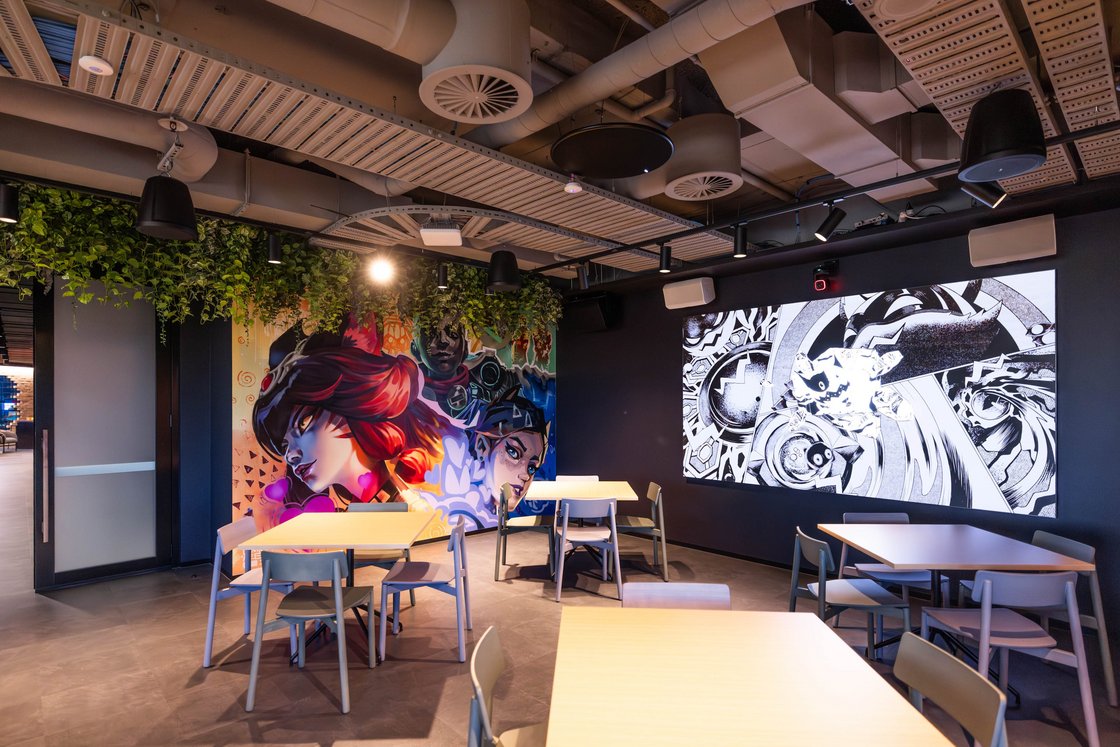
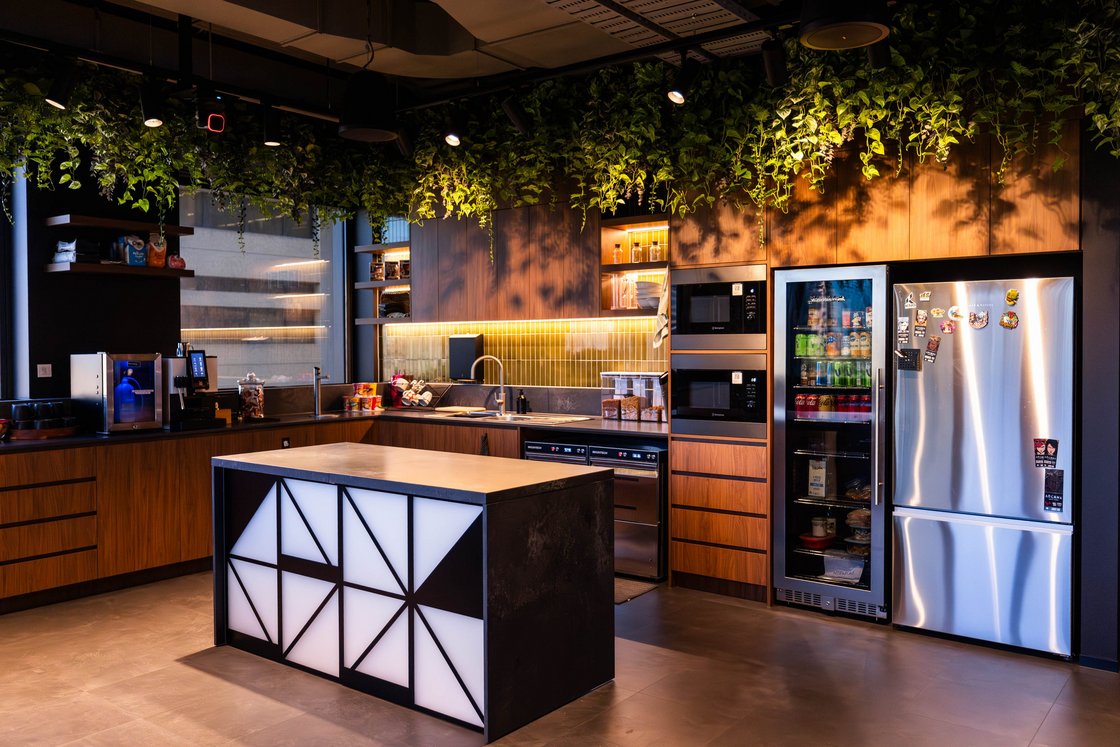
While it wasn’t always a Riot office, it’s become one in every sense of the word. And it’s one of our fastest growing offices. To help future Rioters put themselves in the shoes of our current devs, we asked three Sydney Rioters to share their stories of how they ended up walking the halls of our Australian office.
Hi, I’m Nina “Riot Zycoris” Estrella, I’m a UX Designer in Riot’s game dev studio in Sydney. When I joined Riot in 2023, it felt like a full-circle moment. Back in school, all I knew was that I needed a creative outlet. At university, I picked a general media design degree that let me pursue videography, interaction design, animation and graphic design—a whole hotpot of different mediums. However, game design was my favourite and ended up becoming my specialization.
After graduation I wrote off a career in games. The industry in New Zealand was small and highly competitive, and my imposter syndrome crept in. I convinced myself there were more talented people who would make better game designers. So I shifted my focus to interaction design, content to keep games being just my favourite hobby.
After going through the Summer of Tech Program—my fellow kiwis, iykyk—I landed my first role at a local design agency. That’s where I really got into UX design and realised it was more complex than I’d imagined. It’s not just about making things look good, it’s about using design to solve real problems. Most importantly, that’s when I truly became passionate about it.
After a brief detour as an intern at Walt Disney Imagineering in California, I returned home to New Zealand and joined the Ministry of Education as a UX designer. I spent five years there and genuinely loved it, the team and culture was amazing, and many of them were big gamers. Eventually though, I decided to make the move to Australia and began thinking about what I wanted to do next.
One of the first things I saw was a UX designer role at Riot. As I read the job description, that part of my brain that wrote off working in games fired back up. I realized I had the experience, I had the talent, I had the specialization. I had the things I didn’t have coming out of school. So I shot my shot. When I finally got the offer, it was a huge moment. I’d made it to the industry I’d once imagined for myself.
I’ve been at Riot for nearly three years now, working on VALORANT, 2XKO, and Riot R&D. I also joined our Head of League Studio, Andrei Van Roon, who worked in the Auckland Regional Council before joining Riot, in the New Zealand government-to-Rioter pipeline.
Now, reflecting on my career and working at Riot, I have three pieces of advice for anyone who wants to work in games:
The hotpot helps. Do what you're passionate about and keep trying things that make you curious, you never know what will stick. Eventually, it works out.
Even if something isn’t right for you right now, that doesn’t mean it won’t be right for you in the future.
Especially in games, there’s no standard path. In my denewb class (that’s Riot’s onboarding program) people were joining Riot from the medical industry, marketing, and, yes, government. Develop your skills, do things you’re passionate about, and keep your eyes open.
You never know when the right opportunity will appear in front of you.
To Bungie and Back Again
Hey there, I’m Luke “Riot BeardyWombat” Ledwich, a Staff Engineer working on VALORANT’s core game area in Sydney. I’ve been making games for more than 20 years now, but that wasn’t exactly the plan when I started out.
I went to university for robotics. I did an undergraduate thesis on mobile robots and a master’s thesis on computer vision. The only problem? I didn’t really like robots. Hardware is difficult, it rarely behaves itself.
So instead, I started playing around with OpenGL on the side. Back then it was four polygons on a screen and I was trying to make them jump and do 3D maths without really knowing what I was doing—which went about as well as you’d expect. But that curiosity stuck and eventually it paid off.
In 2009, on a whim, my future wife and I decided to leave Australia to head to America to see what that might bring. It turns out, it brought me to Bungie. Even though it was my first “real” job in games, I’d already written three different game engines to various states of completeness.
I joined Bungie just before Halo: ODST shipped (I think I have one line of code in that game) and then worked on Halo Reach, Destiny, and Destiny 2. It was a pretty incredible time to be there.
Life moved quickly around that period. Within one week, my wife landed a postdoc in Tucson, we found out we were expecting our first child and I knew it was time to put in my notice at Bungie. A couple of months later we moved to the Arizona desert. I became a stay-at-home dad for a few years, and, naturally, started writing another game engine. We eventually decided to move back to Australia to be closer to family, and I joined Wargaming Sydney in 2017.
After 13 years abroad, it was nice to come home and be understood. And Wargaming made for a great homecoming. While there, I worked across so many weird and wonderful projects like AR experiences and early gameplay prototypes. It was a great studio filled with lovely, creative, and interesting people. Which is likely why Riot acquired it.
When we found out the studio was being put up for acquisition, everything stopped. We had to wrap up projects with 6–12 month horizons and off-board work to our co-dev partners in the UK. For a while, we didn’t know who the buyer would be. So we focused on learning—Unreal 5 had just come out—and I even wrote a small voxel shoot-’em-up engine so a designer on the team would have something to build with. When it became clear Riot would be acquiring us, that gave us focus. We started building tactical shooter prototypes in Unreal and learning VALORANT’s tech stack.
In November 2022, around 100 of us onboarded to Riot at once. I initially had two teams under me, one eventually rolled into the VALORANT Console effort, and the other stayed on core game. Over time, I stepped back into my Staff Engineer role and focused more on architecture and area-level ownership.
If there’s one thing I look for in engineers it’s curiosity. That hunger to understand how something works and to keep learning. There are so many disciplines and problem spaces in games that you can’t even apply yourself to them if you don’t know they exist. Curiosity is what led me from robots to rendering to engines to Halo to VALORANT.
And, if you’re curious, there’s no better place to be than solving the myriad of interesting challenges that come with game dev.
“That Could be Me”
Hi, I’m Sylsien “Riot guuncy” Harding, an Engineering Manager in Riot’s game dev studio in Sydney.
I didn’t grow up playing games, I actually wasn’t allowed to until I was basically an adult. But I did get into computers, and when it came time to pick a degree, I remember thinking it would be cool to learn how to make video games. So I studied software engineering as part of a combined degree. But there were only a handful of game developers here in Australia at that time so I, like many engineers I knew, shifted my focus.
My first job was in R&D at Toshiba, making printer drivers—very far away from games. I worked there for eight years but eventually I wanted a change. That voice in the back of my head that first had me interested in games spoke up and I joined Wargaming Sydney, one of the few studios here in Sydney, as a Project Manager. Eventually I became an Engineering Manager and we got acquired and became Riot’s home in Sydney.
During my time at Riot, the thing I’ve appreciated the most are the opportunities for us to give back and inspire the next generation here in Australia by working with universities like University of Technology Sydney.
When I was at uni, there wasn’t much mentorship or outreach. I was guessing what to put on my CV and how to approach interviews. Now that I’ve sat on the other side of recruiting, I have a lot of insight into what actually helps a candidate.
At one point, after reviewing hundreds of CVs for our Sydney internship, I had this whole bank of thoughts like, “If you structured it this way, it would be so much clearer,” or “If this is your strength, call it out.” So being able to speak directly to students and share that felt really rewarding. It means they don’t have to learn everything the hard way.
If I could give every student three pieces of advice, here’s what I’d say:
First: Go for it. Apply. You win zero of the games you don’t play.
Second: Make it easy for the person reading your application. If something is a core strength, put it up front. Don’t bury your portfolio (and I’d encourage you to have one) in hidden pages. Help them see your value and what drives you immediately.
Third: Ensure every word counts. At some point, more words just dilute your message. Be intentional.
When I talk to students, some have a clear plan. Others just know they like making games but don’t know what comes next. And many assume their first job will define their entire career. The reality is more of a roller coaster. You can’t map it all out in advance.
One of our goals as a studio is to help grow and shape the AAA games industry in Sydney and Australia—engaging with universities, giving students a sense of what working at this scale looks like, and helping them see that this path is real.
It used to be that a career in game development here in Australia felt like a pipe dream. Knowing Riot exists in Sydney alongside the rest of the Australian industry makes the dream a bit more reachable. That’s why I talk to students, because, when people talk to Rioters, I think it helps them realize: “That could be me.”
Think the next chapter for your career should be at our home in Sydney? Check out our jobs board for the current open roles.